

Are you curious about how much you could save by refinancing your mortgage? Finding the right deal can feel overwhelming, but it doesn’t have to be.
With a free refinance quote calculator, you can quickly see your potential savings and compare different loan options—all from the comfort of your home. Imagine knowing exactly how much you could lower your monthly payments or reduce your interest rate before making any decisions.
This simple tool puts the power in your hands, helping you make smarter financial choices with confidence. Keep reading to discover how to use a free refinance quote calculator and unlock the best mortgage options tailored just for you.
How Refinance Quote Calculators Work
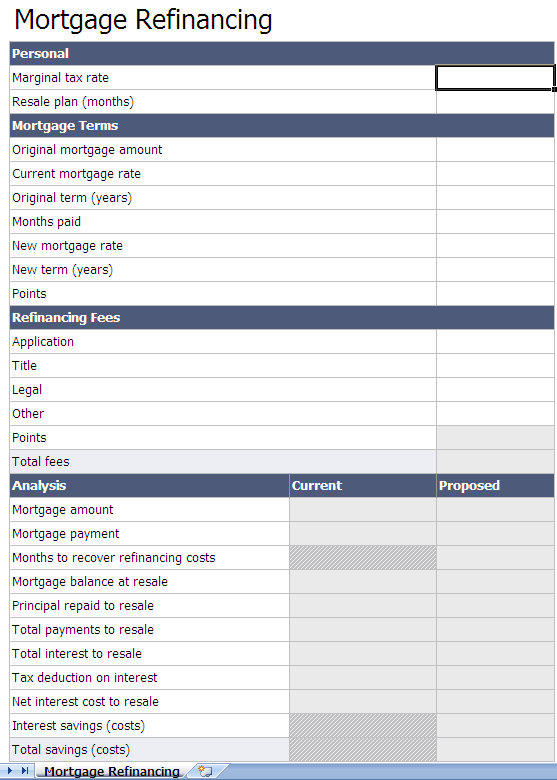
Refinance quote calculators need some basic details to work. These include your current loan balance, interest rate, and remaining loan term. You also enter the new loan amount and expected interest rate for the refinance. Some tools ask for your credit score and monthly income for better accuracy.
The calculator uses these details to compare your current loan with the new loan options. It calculates your monthly payment, total interest paid over time, and possible monthly savings. This helps you see if refinancing is worth it.
| Type of Refinance Quote | What It Shows |
|---|---|
| Interest Rate Quote | Estimated new interest rate based on inputs |
| Monthly Payment Quote | New monthly payment amount after refinancing |
| Total Cost Quote | Overall cost including fees and interest |
Benefits Of Using Free Refinance Calculators
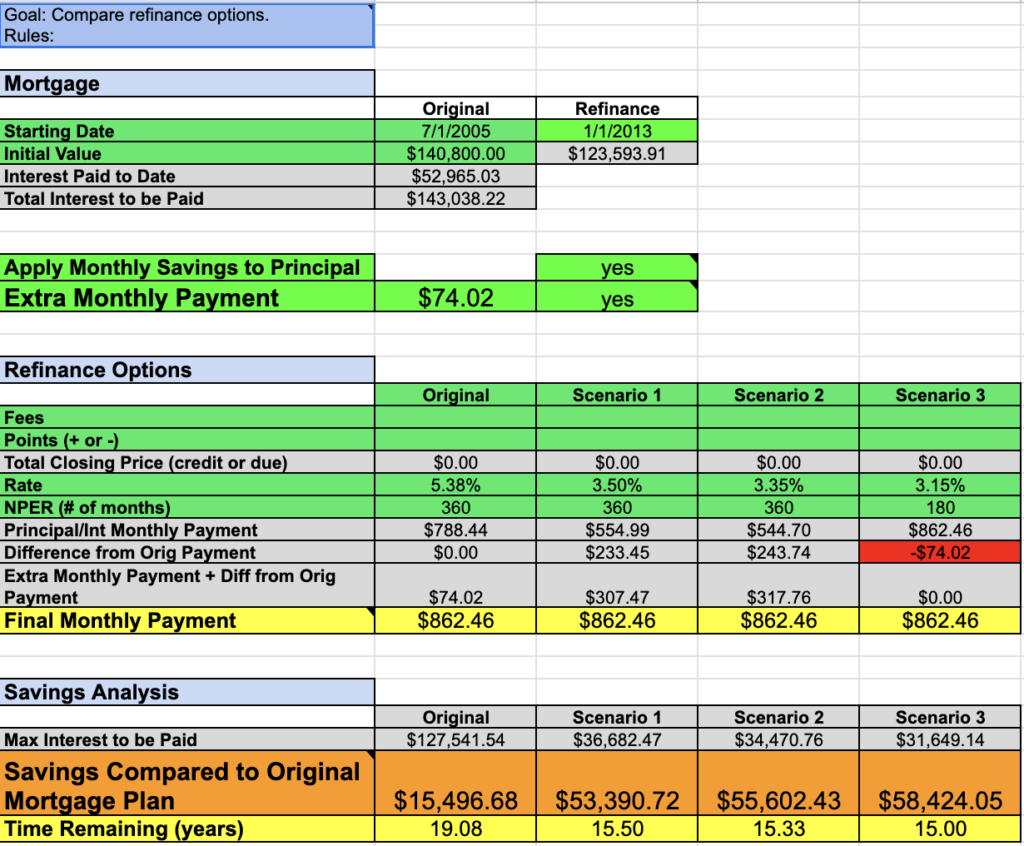
Free refinance calculators give quick estimates of possible savings. They show how much money can be saved each month by lowering interest rates or changing loan terms. Users can compare different loan options side by side. This helps in picking the best deal without confusion.
These tools make it easy to plan monthly budgets. They show how new payments fit into your finances. Calculators also consider extra fees or cash-out options. This gives a full picture of costs and benefits.
| Feature | Benefit |
|---|---|
| Instant Savings Estimates | Quickly see potential monthly and total savings. |
| Comparing Loan Options | Side-by-side view of different rates and terms. |
| Planning Monthly Budgets | Helps fit new payments into your budget easily. |
Key Features To Look For
A user-friendly interface makes the refinance calculator easy to use. Clear buttons and simple steps help users get quick results. It should work well on phones and computers.
Accurate interest rate data is key. The calculator must use up-to-date rates to give correct savings estimates. This helps users trust the results and make smart decisions.
Customization options allow users to enter their loan details. They can adjust loan amount, term, and current rates. This makes the calculation fit their unique situation better.
Common Refinance Scenarios
Lowering monthly payments helps ease your budget. Refinancing can reduce interest rates or extend loan terms, making payments smaller. This option suits those wanting to free up cash each month.
Shortening loan term means paying off your mortgage faster. Monthly payments may rise, but total interest paid drops. This saves money over time and builds equity quicker.
Cash-out refinancing lets you take out extra cash by increasing your loan amount. Use funds for home repairs, debt, or other needs. It combines refinancing and borrowing in one loan.
Tips For Maximizing Savings
Closing costs are fees paid when refinancing a loan. These include appraisal, title, and lender fees. Knowing these costs helps avoid surprises and decides if refinancing saves money.
Credit score affects the interest rate offered. A higher score usually means a lower rate. Check your score before applying. Fix errors and pay bills on time to improve it.
Timing matters. Interest rates can change daily. Refinancing when rates are low saves more money. Also, consider how long you plan to stay in the home. The longer you stay, the more you can save.
Popular Free Refinance Calculators
The Bankrate Calculator helps estimate monthly mortgage payments and compares rates. It is easy to use and provides quick results. You can enter your loan details to see potential savings.
The Zillow Refinance Tool lets you check if refinancing can lower your monthly payments. It shows different loan options and helps you decide what fits your budget best.
The Fannie Mae Calculator calculates how much money you could save each month by refinancing. It also shows the total cost and possible savings over time.
Common Mistakes To Avoid
Ignoring fees and penalties can reduce your actual savings. Some lenders charge prepayment penalties or application fees. These costs add up and can outweigh the benefits of refinancing.
Overestimating savings is another common mistake. Many people think their monthly payment will drop a lot. But small rate changes or longer loan terms can mean less saving than expected.
Skipping comparison shopping limits your options. Different lenders offer different rates and fees. Comparing multiple offers helps find the best deal. It only takes a little time and effort but can save a lot of money.
Next Steps After Getting A Quote
Contact lenders soon after receiving your refinance quote. Ask about terms and clarify any questions. Choose lenders who offer the best rates and fees.
Gather all necessary documents before applying. These often include pay stubs, tax returns, bank statements, and current mortgage information. Having these ready speeds up the process.
Consider locking in your interest rate to protect against rate increases. This usually lasts 30 to 60 days but check the lender’s policy. Locking can save money if rates rise before closing.

Frequently Asked Questions
What Is The 2% Rule For Refinancing?
The 2% rule for refinancing means your new loan’s interest rate should be at least 2% lower than your current rate. This helps ensure refinancing saves money after closing costs.
How Much Does It Cost To Refinance A $300,000 Mortgage?
Refinancing a $300,000 mortgage typically costs between $3,000 and $6,000 in fees. These include closing costs, appraisal, and lender fees. Costs vary by lender and location. Use a refinance calculator to estimate your exact expenses and potential savings before proceeding.
How Much Does It Cost To Refinance A $400,000 Home?
Refinancing a $400,000 home typically costs 2% to 5% of the loan amount. Expect $8,000 to $20,000 in fees.
Is It Worth Refinancing From 7% To 6%?
Refinancing from 7% to 6% can save money if savings exceed closing costs. Use a refinance calculator to compare total costs and benefits.
Conclusion
Using a free refinance quote calculator saves time and effort. It helps you see clear numbers fast. You can compare different rates and choose wisely. This tool supports smart money decisions for your home. Try it today and understand your refinance options better.
It’s simple, quick, and designed to guide you. Don’t guess—calculate and plan your finances with confidence.
Read More
- Refi Credit Qualification Guide: Unlock Expert Tips for Approval
- Installment Loan Refinance Options: Smart Ways to Save Big Today
- Fast Refinance Approval Process: Unlock Quick Cash with Ease
- Personal Loan Refinance Quote: Unlock Lower Rates Today!
- Consolidation Refinance Quote: Unlock Savings with Smart Rates
- Refinance Quote Comparison Online: Save Big with Smart Choices
- Student Loan Refi Estimate: Unlock Savings with Smart Strategies
- Instant Refi Quote Estimate: Unlock Savings with Fast Rates
- Refi Pre Approval Online: Fast, Easy, and Stress-Free Guide
- Refinance Income Requirement Check: Essential Steps for Approval